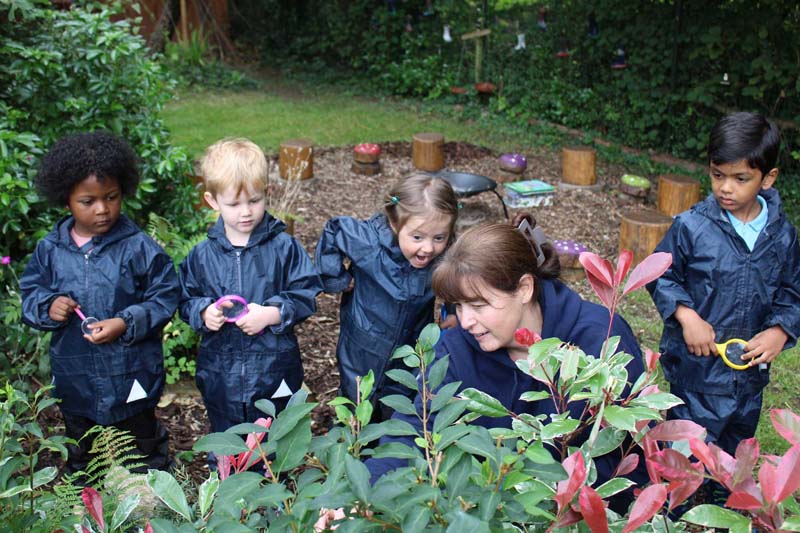
Choosing a nursery can start to feel strangely like comparing hotels.
Opening hours. Location. Fees. Facilities. Ofsted information. Outdoor space. Meals. Languages. Availability.
All of those things matter.
But there is another question that rarely fits neatly into a comparison table:
Who will actually know your child?
For a one-year-old arriving for their first nursery morning, familiarity can matter far more than the size of the organisation behind the reception desk.
That is why parents searching for the Best nursery in Clapham may want to look beyond whether a setting is independent, boutique or part of a larger chain. The more useful comparison is often about relationships, stability and whether a nursery feels connected to the families around it.
At The Willow Nursery in Clapham Old Town, that sense of continuity sits within a local story stretching back nearly 40 years.
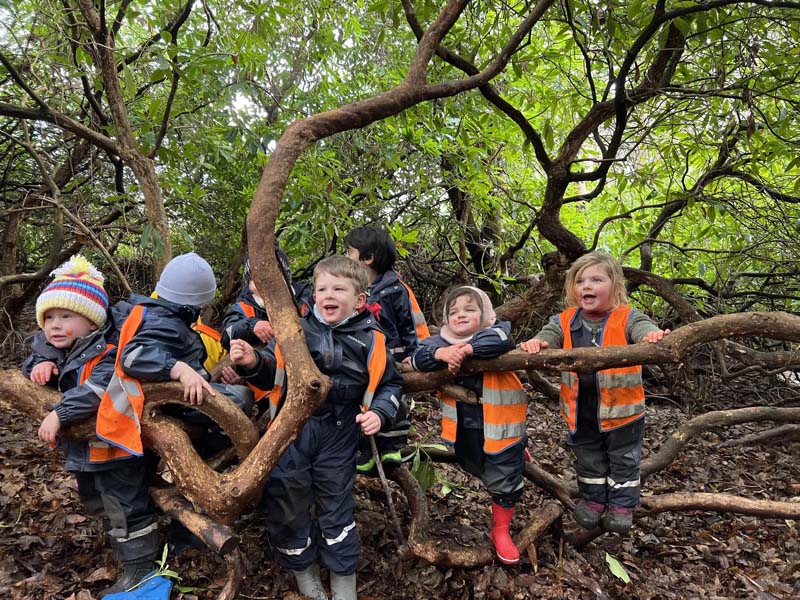
Choosing the Best Nursery in Clapham Is About More Than the Brand Name
Large nursery groups can offer clear advantages.
They may have extensive resources, established systems and multiple locations. For some families, that structure is exactly what they want.
A smaller nursery offers something different rather than automatically something “better”.
The scale can make it easier for parents to understand who is caring for their child, recognise familiar faces and feel part of the setting rather than simply using a service.
The important thing is to look beyond the logo.
When visiting any nursery, watch what actually happens in the room.
Do practitioners know the children well? Are conversations warm and individual? Do children approach adults confidently? Are parents greeted personally? Does the environment feel calm rather than transactional?
Willow’s own guide on how to choose the best nursery in Clapham makes a similar point: observing how children and staff interact can tell parents more than brochures alone.
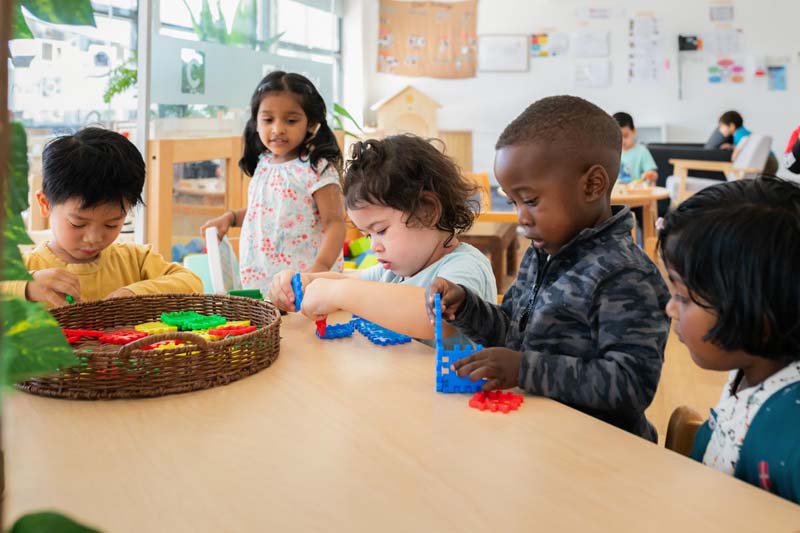
The Value of a Stable Team — and Nearly 40 Years of Local History
Children do not experience a nursery through its organisational chart.
They experience it through people.
The person who welcomes them in the morning. The practitioner who knows they need a little extra reassurance after drop-off. The adult who remembers which story makes them laugh or notices that they have suddenly become fascinated by dinosaurs.
Those seemingly small details create familiarity.
The Willow Nursery describes itself as having supported children and families across South West London for nearly 40 years and as a longstanding part of the Clapham community. Its current approach combines that local history with bilingual learning, outdoor exploration and school readiness.
Longevity alone does not guarantee quality, of course.
But local history can tell parents something useful: a nursery has existed through generations of families, changing expectations and an evolving neighbourhood.
The next question should be whether that history is still visible in the relationships families experience today.
Why Continuity of Care Matters From Age One
For adults, changing who we see during the working day may be fairly unremarkable.
For a very young child, relationships carry much more weight.
A familiar practitioner gradually learns how a child communicates before they have all the words to explain themselves.
They begin to recognise tiredness before a meltdown arrives.
They learn which activities bring a quieter child out of their shell and when an adventurous one may need help slowing down.
That is the practical value of continuity of care.
It allows knowledge of the child to accumulate rather than continually starting again.
Willow currently welcomes children from age one, which means some families may spend several important early years within the same nursery community before Reception.
During that time, continuity can help provide a thread between developmental stages.
The one-year-old learning to separate from a parent becomes the toddler finding their voice, then the older preschool child preparing for school.
Good early years care changes with them.
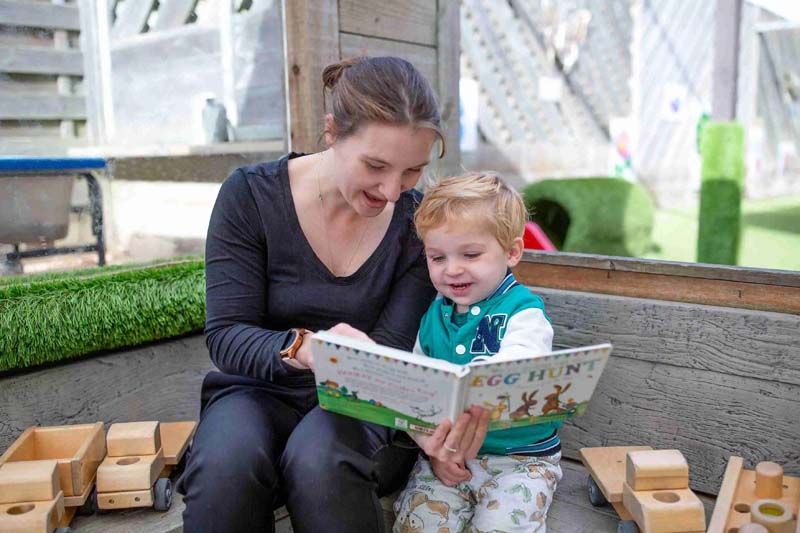
Continuity does not mean everything stays the same
Children need new experiences.
They benefit from different personalities, new challenges and gradually increasing independence.
So continuity should not be confused with keeping a child inside a bubble.
Its value comes from giving change a secure base.
A familiar environment can make it easier to try something new because the child already knows where they belong.
That balance — security alongside exploration — is often much more meaningful than simply counting how many activities appear on a nursery timetable.
Feeling at Home: The Community Nursery London Families Often Look For
There is a particular moment during a nursery visit that cannot really be measured.
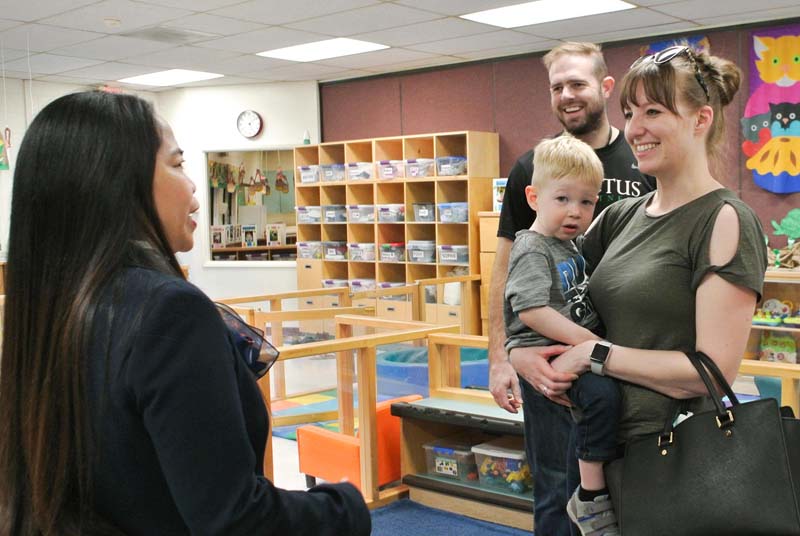
You notice whether people know one another.
Whether conversations feel natural.
Whether the nursery seems like somewhere families pass through or somewhere they gradually become known.
That is the idea behind a community nursery London families may value, particularly when they live locally and expect the setting to become part of everyday life.
A nursery community can extend beyond the relationship between practitioner and child.
Parents see one another at drop-off. Children form friendships. Families begin recognising familiar faces around the neighbourhood. The nursery becomes connected to the child’s sense of place.
Willow describes itself specifically as a connected community for families in Clapham and South West London, with regular communication, observations and daily updates forming part of the relationship with parents.
For families searching for a Trusted nursery SW4, that communication is worth paying attention to.
Trust is rarely created by one impressive show round.
It develops through hundreds of ordinary interactions.
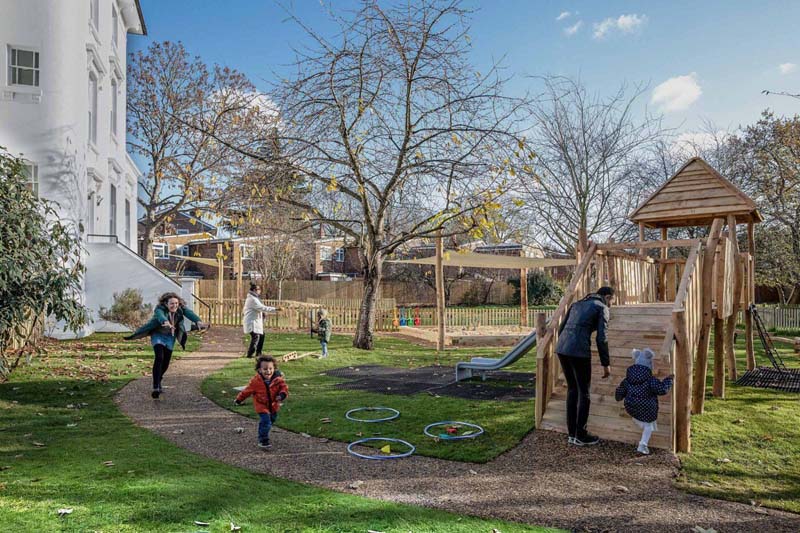
Boutique Nursery vs. Chain: Ask Better Questions
The label itself will not make the decision for you.
A small nursery can still have poor communication.
A large chain can have a wonderfully stable and affectionate local team.
Instead of asking, “Are boutique nurseries better?”, ask questions that reveal how the setting actually works.
How well do practitioners know individual children?
How does the nursery handle staff changes?
Who will be your main contact?
How are observations and concerns shared with parents?
What happens as a child moves between age groups?
How long do families typically remain at the setting?
These questions turn an abstract comparison into something much more useful.
You are no longer choosing between “independent” and “chain”.
You are investigating what your child’s ordinary Tuesday will feel like.
Questions for Your Next Show Round
A nursery visit is your opportunity to get beyond polished photographs and website copy.
Consider asking:
● Who will care for my child most regularly?
● How do you support continuity when children move between stages?
● How do practitioners get to know each child’s routines and personality?
● How are parents updated about progress or changes?
● How do you help a new one-year-old settle?
● What does staff consistency look like in practice?
● How does the nursery build relationships with local families?
● How do bilingual learning and outdoor experiences fit into a normal week?
● How do you prepare children emotionally for Reception?
● Can funded hours be used without changing the quality of the child’s educational experience?
That final question matters for many working families.
Willow’s Complete Guide to applying for 30 Hours Free Childcare in Clapham explains the current funding process and how funded provision relates to the nursery’s wider educational offer.
What Does High-Quality Early Years Education Look Like in Practice?
Continuity and community matter, but they should sit alongside strong early education rather than replace it.
A nursery still needs to give children opportunities to communicate, explore, move, solve problems, build independence and prepare naturally for the transition to school.
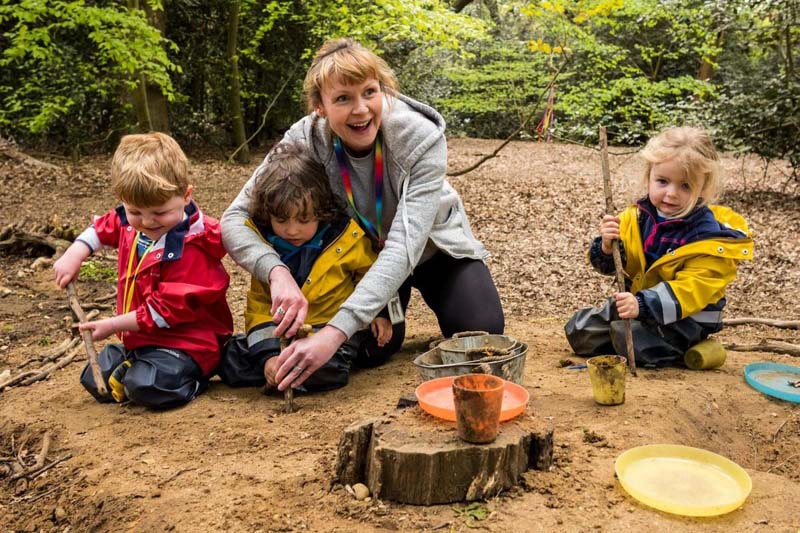
At Willow, those elements are brought together through bilingual English-Spanish exposure, Forest School, emotional development and play-based school readiness.
Parents who want to look beyond the boutique-versus-chain question can explore High-Quality Early Years Education in Clapham to see how funded places, bilingual learning, outdoor exploration, emotional security and preparation for Reception fit within the wider nursery experience.
Ultimately, the strongest nursery choice is not defined by its size.
It is defined by what children experience once the front door closes behind their parents.
Frequently Asked Questions About Choosing a Trusted Nursery SW4
Is a boutique nursery better than a nursery chain?
Not automatically. Both models can provide excellent childcare. Parents should look at the individual setting, including relationships with practitioners, communication, staff consistency, learning opportunities and how comfortable children appear.
Why is continuity of care important in nursery?
Continuity of care allows practitioners to build a deeper understanding of a child’s personality, routines, communication and development over time. Familiar relationships can also help children feel secure while they become increasingly independent.
What should I look for during a nursery show round?
Look beyond facilities. Observe how practitioners speak to children, whether children confidently approach adults, how calm the environment feels and whether staff can explain how they communicate with families and support individual development.
Does The Willow Nursery accept children from age one?
Yes. Willow currently states that it welcomes children from age one and supports children through the early years towards Reception.
Can I use funded childcare at The Willow Nursery?
Willow currently offers funded places and states that its funded core provision includes its bilingual environment and Forest School sessions. Eligibility for government-funded hours depends on individual family circumstances.
The Nursery Your Child Remembers Will Be Made of People
Years later, children are unlikely to remember how many branches their nursery organisation operated.
They may not remember the brochure either.
What remains is more likely to be a feeling.
The adult who greeted them.
The friend they always looked for.
The garden they explored.
The song they sang repeatedly.
The sense that this was somewhere they belonged.
That is why choosing the Best nursery in Clapham involves more than comparing facilities or brand names.
For many families, continuity of care, trusted relationships and a genuine local community deserve a place near the top of the list.
A nursery does not have to be large to offer children a big world.
Sometimes, knowing exactly who is waiting for them when they walk through the door is what gives them the confidence to explore it.