
A Reception morning asks a lot of a four-year-old: saying goodbye, finding a peg, managing a coat and joining a room full of children.
That is why school readiness is not measured by how many words a child can read or whether they can write a perfect name. It begins with feeling secure enough to explore, ask for help, recover from a wobble and try again.
For families researching School readiness Clapham, useful preparation is rarely a summer of worksheets. It is a collection of everyday experiences that build confidence, independence, communication and emotional trust.
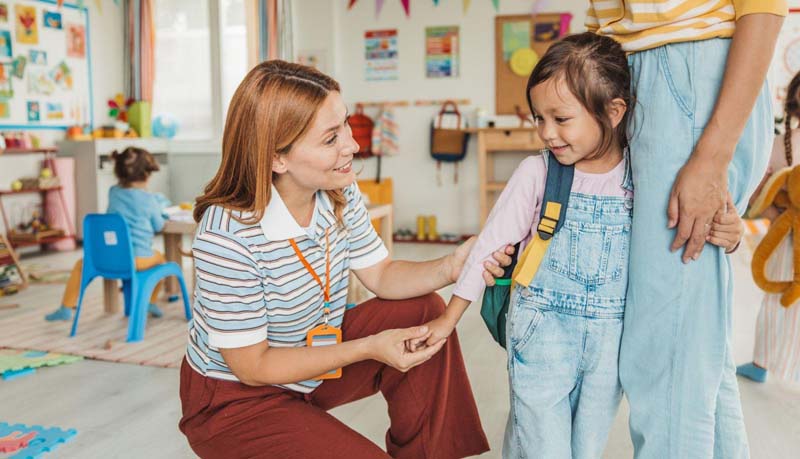
Stress-free School readiness Clapham begins with security
Children learn best when they feel safe, known and connected. The Early Years Foundation Stage places communication, physical development, and personal, social and emotional development among the three prime areas underpinning wider learning.
Preparing for Reception is therefore not about bringing Year 1 expectations forward. A child who can recognise a feeling, accept reassurance and rejoin an activity is practising a skill they will use throughout school.
Willow’s approach to high-quality early years education in Clapham combines emotional security, bilingual learning, outdoor exploration and gentle preparation for Reception. New challenges are introduced through familiar relationships and purposeful play rather than pressure.
Beyond books: independence and confidence
Early literacy and number awareness matter, but they are only part of the picture. A child may know letter sounds yet struggle to ask for the toilet, or count confidently but feel overwhelmed when a game changes.
Independence grows through repeated opportunities. Putting on a coat, carrying a bag and helping to tidy away all tell a child, “You can take part in what happens next.”
Adults can support this without taking over. A calm “Try the first part and I’ll help with the rest” builds confidence while keeping the child emotionally secure.
When families research early years education UK guidance, they often find that personal, social and emotional development is treated as fundamental. Warm, supportive relationships help children understand feelings, build friendships, persist with challenges and develop a positive sense of self.
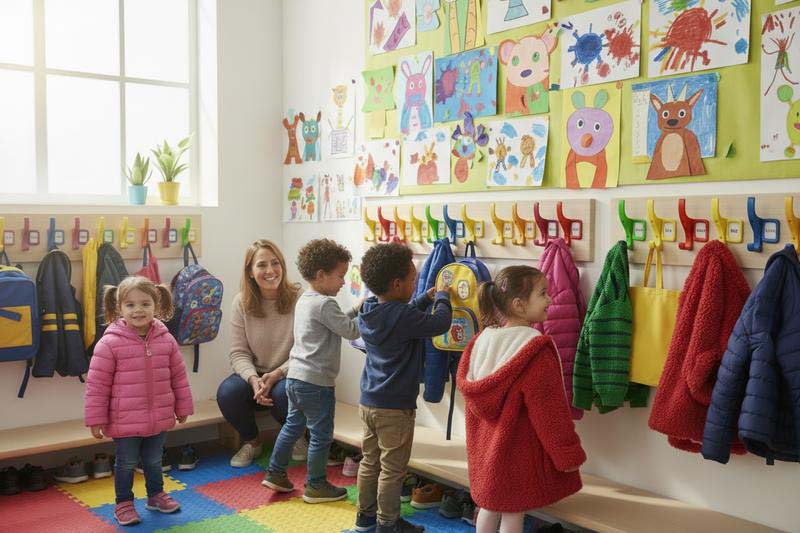
The role of emotional regulation: RULER
Emotional regulation does not mean being cheerful or quiet all day. It means gradually learning to notice feelings and choose a helpful response.
Willow uses the RULER approach to foster confidence and independence. Developed by the Yale Center for Emotional Intelligence, its name represents five emotional skills: recognising, understanding, labelling, expressing and regulating.
In nursery, this becomes practical. A child who feels nervous about joining a game might learn to name that feeling and decide whether to watch first, hold a familiar hand or take one small step into the activity.
These moments strengthen school ready skills because Reception brings new adults, larger groups and unfamiliar routines. Children do not need to manage every emotion alone; they need to know that feelings can be named, shared and handled with trusted adults.
Routines that ease the transition to Primary
Predictability gives children something firm to rely on while other things change. In the weeks before school, simple routines can make mornings and separations more manageable.
Practise getting dressed, let your child carry a small bag and be clear about who will collect them. Keep goodbyes warm, brief and dependable.
Stories and role play can help. Children often reveal their own questions when a worry belongs to a familiar character. A teddy might feel nervous about finding the toilet, forget where to place a coat or wonder how to ask another child to play.
Outdoor play also rehearses school life. Taking manageable risks, negotiating with friends and solving practical problems can develop resilience. Willow’s article on why Forest School learning matters for children explains how exploration supports independence, communication and emotional balance.

Key skills to practise before age five
Every child develops at a different pace, so this is not a pass-or-fail checklist. Useful abilities to encourage include:
● Separating from a familiar adult with reassurance.
● Asking an adult for help.
● Using the toilet and washing hands with growing independence.
● Managing a coat and simple belongings.
● Listening to and following a short instruction.
● Taking turns and sharing with support.
● Joining play with other children.
● Recognising and naming some emotions.
● Recovering after a small disappointment.
● Enjoying stories and using pencils, crayons and small tools.
The strongest school ready skills grow through ordinary life. Baking involves counting, setting the table builds responsibility and shared stories develop language and attention.
There is no need to test each ability or compare your child with friends of the same age. Development is rarely perfectly even. A child may be highly independent when getting dressed but need more support when entering a busy room.
Progress matters more than perfection.
Preparing for Reception through partnership
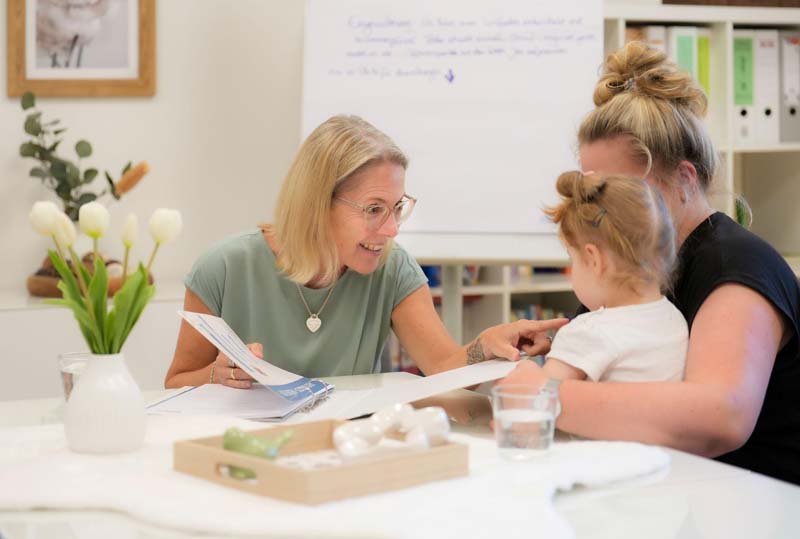
Children benefit when nursery and home share information. Tell practitioners what helps your child settle and how they respond to change. Ask which routines they already manage and what could be practised at home.
It is also worth sharing the smaller details. Perhaps your child needs a few quiet minutes before joining group play, becomes worried when plans change or responds particularly well to visual reminders. This knowledge helps adults offer consistent support.
When comparing settings, look beyond displays and activity lists. Notice whether adults respond warmly, get down to the children’s level and allow time for answers. Willow’s guide on how to choose the best nursery in Clapham explains why belonging, communication, outdoor learning and attentive relationships matter.
Frequently asked questions
Does my child need to read before Reception?
No. Enjoying books, listening to stories, noticing sounds and joining conversations are valuable foundations. Reception develops reading and writing from each child’s individual starting point.
What if my child becomes upset at drop-off?
Upset does not mean a child is unready. Use a predictable goodbye, acknowledge the feeling and explain what will happen next. Share ongoing concerns with the nursery or school so that everyone can use a consistent approach.
Should we practise writing their name?
Invite your child to recognise and attempt their name without making it a test. Drawing, threading and modelling dough also develop the control needed for later writing.
Is the Reception Baseline Assessment something to prepare for?
No. It is a short, interactive assessment completed within the first six weeks of Reception. There is no expected standard, and children cannot pass or fail it, so formal coaching is unnecessary.
When should Preparing for Reception begin?
The foundations develop throughout the early years. More specific conversations and routine practice can begin gradually during the final nursery term.
What should I do if my child has additional needs?
Speak to the nursery and receiving school as early as possible. Sharing successful strategies, professional reports and information about your child’s communication or sensory needs can support a more carefully planned transition.
Ready does not mean fearless
A school-ready child may still hold tightly to your hand at the gate, feel shy in a group or need help with a stubborn zip. Readiness does not mean removing every difficulty before September.
It means giving children an emotional base from which they can meet difficulty. When they trust adults, recognise their needs and believe they can try, Reception becomes a next step rather than a sudden test.
For families exploring School readiness Clapham, Willow offers a warm route towards that next chapter—built on emotional security, everyday independence and the quiet confidence to begin.